
SWISS MADENTROPYX® · Swiss combustion catalyst15 years in use
More complete combustion.
Less fuel wasted.
Fuel chemistry unchanged.
NTROPYX is a combustion catalyst, not a conventional fuel additive. It acts at less than 0.02 ppm to help each combustion cycle release more usable energy, while laboratory chemistry reports no detectable transformation of the treated fuel. No engine modification. No equipment change. No operational downtime.
Evidence before adoption.
NTROPYX does not ask operators to buy a different fuel. It makes the fuel already in use behave closer to its combustion potential.
Its role is catalytic, not chemical alteration: laboratory analysis reports no detectable change in the treated fuel, while the operating result is measured inside the combustion cycle.
Official reports document higher octane and cetane readings, lower consumption, reduced fine particles and lower pollutant emissions under recognized European and Chinese test standards.
Used for 15 years and commercialized for more than 7 years, NTROPYX is built for fleets, vessels, generators and industrial engines where efficiency has to be proven before deployment.
The operator result is direct: less fuel burned, cleaner combustion, reduced engine deposits, lighter maintenance burden and longer mechanical life.
Combustion, taken to its limit.Not a better fuel. The same fuel, burned as completely as chemistry allows.
The fuel stays the same. The combustion doesn’t.Active below 0.02 ppm — beneath what laboratory analysis can detect, inside the reaction where energy is released.
8 to 12% less fuel. Up to 70% fewer emissions.No engine modification. No equipment change. No downtime.
Fifteen years in service. Three billion road kilometres.Engineered in Switzerland. Verified under CNAS, ILAC-MRA and CMA.
One catalyst platform. Calibrated by fuel family. Proven by operation.
NTROPYX is selected by fuel family, deployed without engine modification, then validated against fuel burn, emissions and maintenance behavior. The value is not cosmetic treatment of fuel; it is a cleaner, more complete combustion cycle under real operating conditions.

Choose the fuel family. Measure the result.
Road, marine, generator or industrial use: the commercial question stays the same — how much fuel is burned, how cleanly it burns, and what maintenance burden remains after deployment.
A combustion cycle brought closer to its useful energy limit.
NTROPYX acts on the combustion reaction at ultra-low concentration. The fuel remains chemically undetectably changed by laboratory analysis; the measured difference appears in how completely the energy is released during the engine cycle.
NTROPYX supports a more complete combustion reaction while remaining below the threshold detected by fuel chemistry analysis.
More of the fuel energy is released inside the cycle, leaving less unburned material to become smoke, soot, fine particles or CO.
Cleaner combustion without engine hardware change, equipment replacement or detectable fuel chemistry modification.
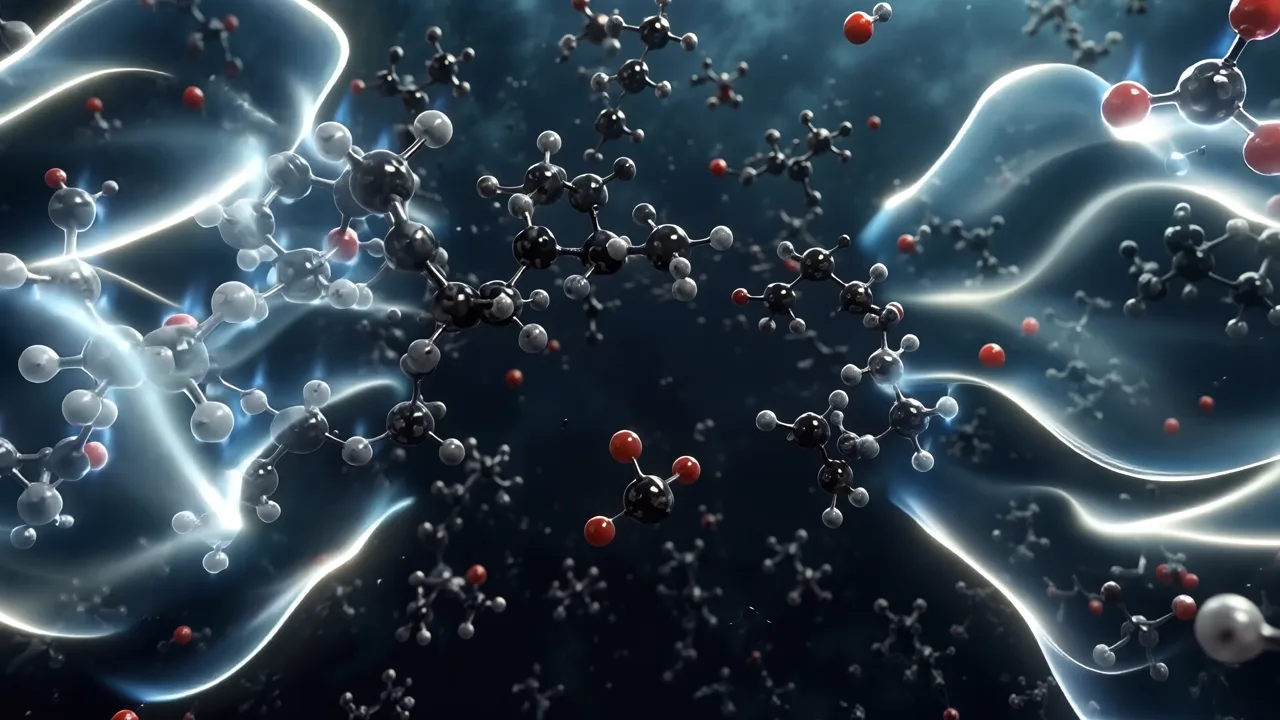
Combustion reaction visualisation · fuel-air charge → oxidation quality → engine output
A technical dossier, not a sales claim.
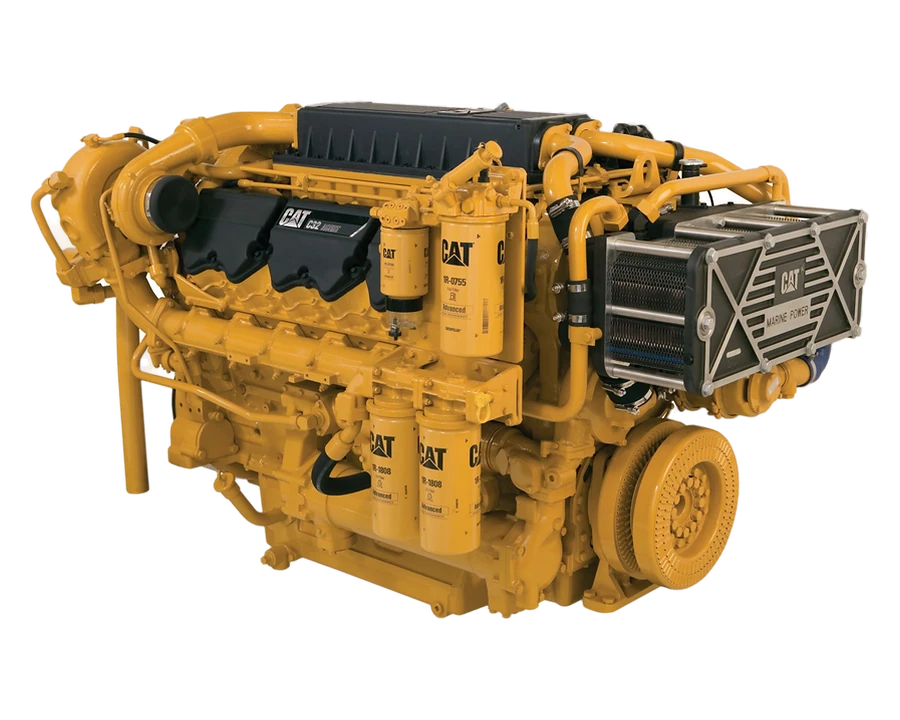
The homepage gives the buyer a fast evidence route: bench context, vessel context, official testing and the operational meaning behind reduced fuel use, cleaner combustion and lower maintenance pressure.
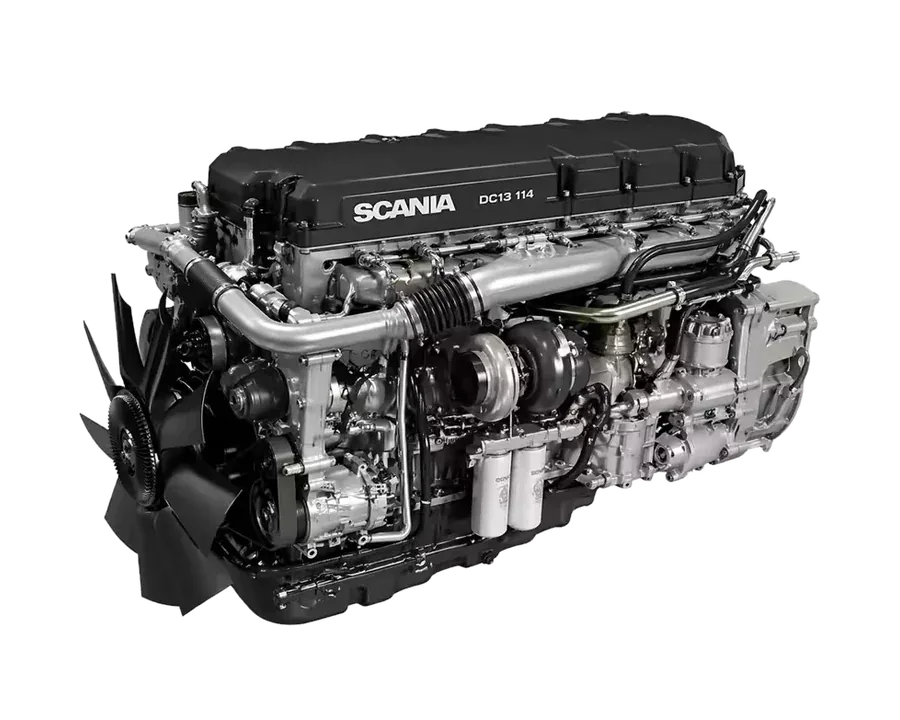

After the proof, model your own operation.
Use the application to connect simulator, dosing and road-test workflows to real fleet data, then prepare a qualified commercial assessment.
From measured evidence to a qualified commercial decision.
The buyer route stays disciplined: understand fuel burn, review evidence, model economics, keep sector context, then request a commercial proposal based on real operating data.
8 Sectors
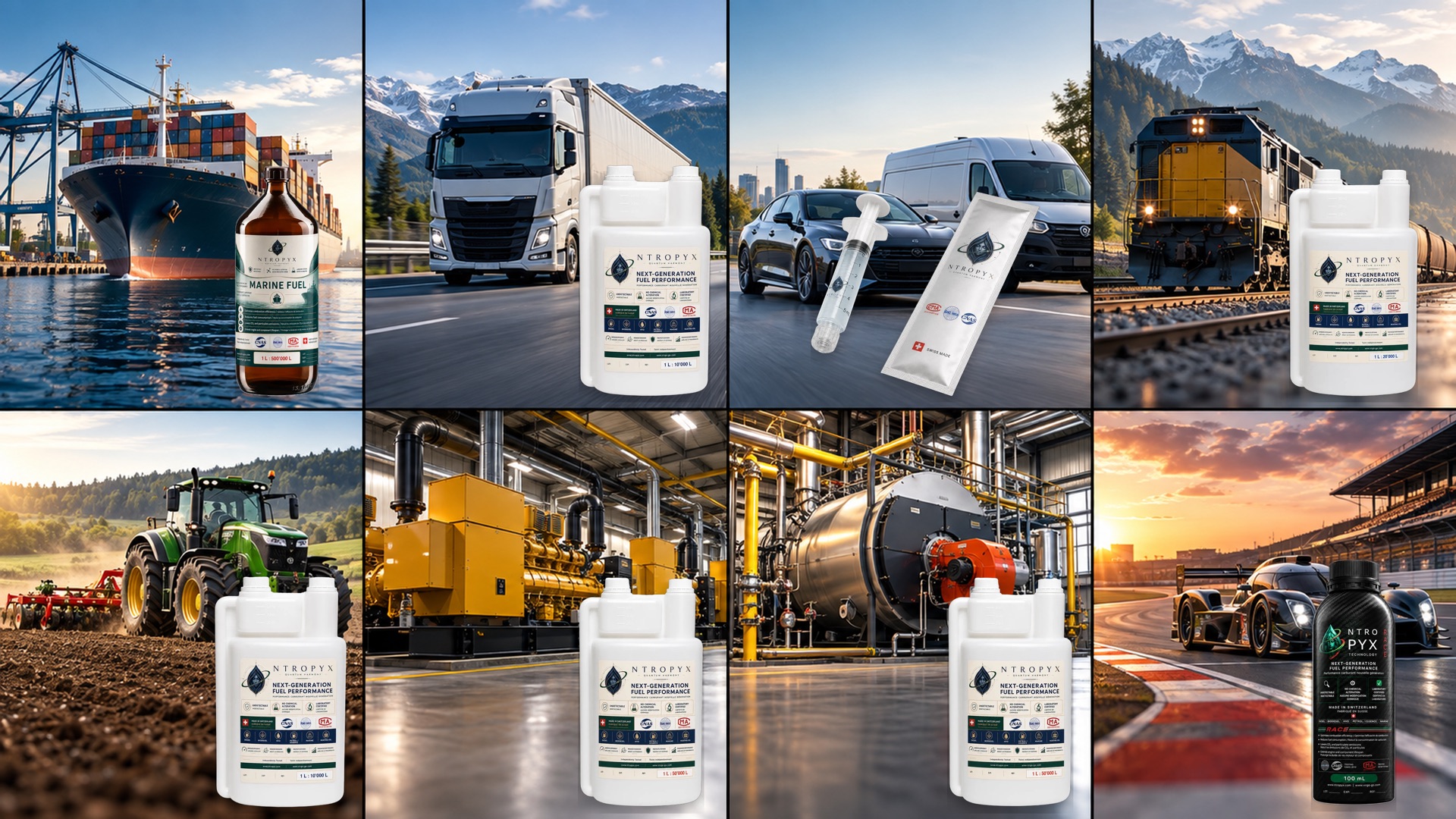
Every sector keeps its assigned image and market evidence.




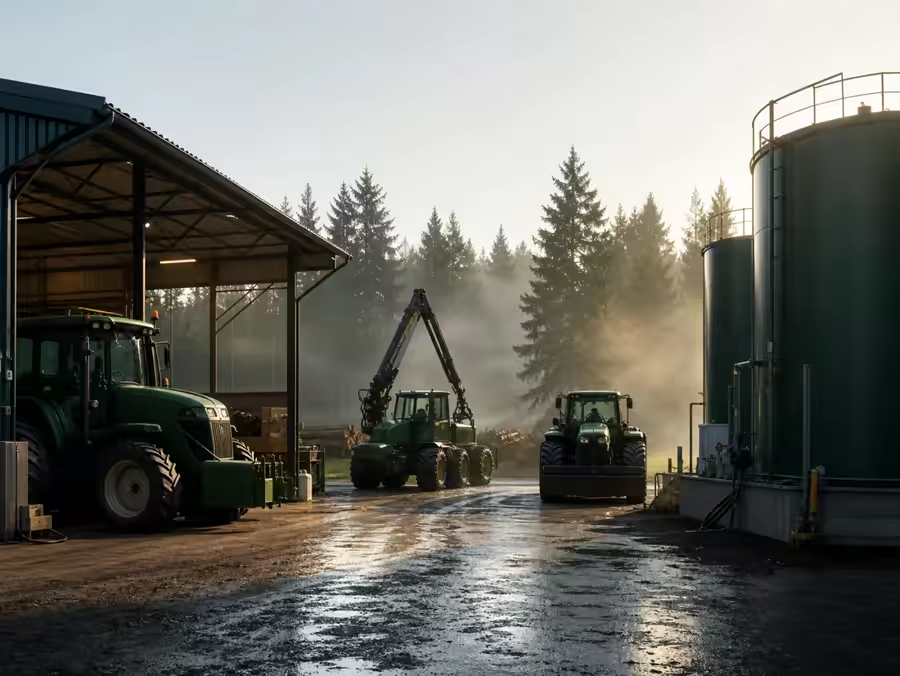
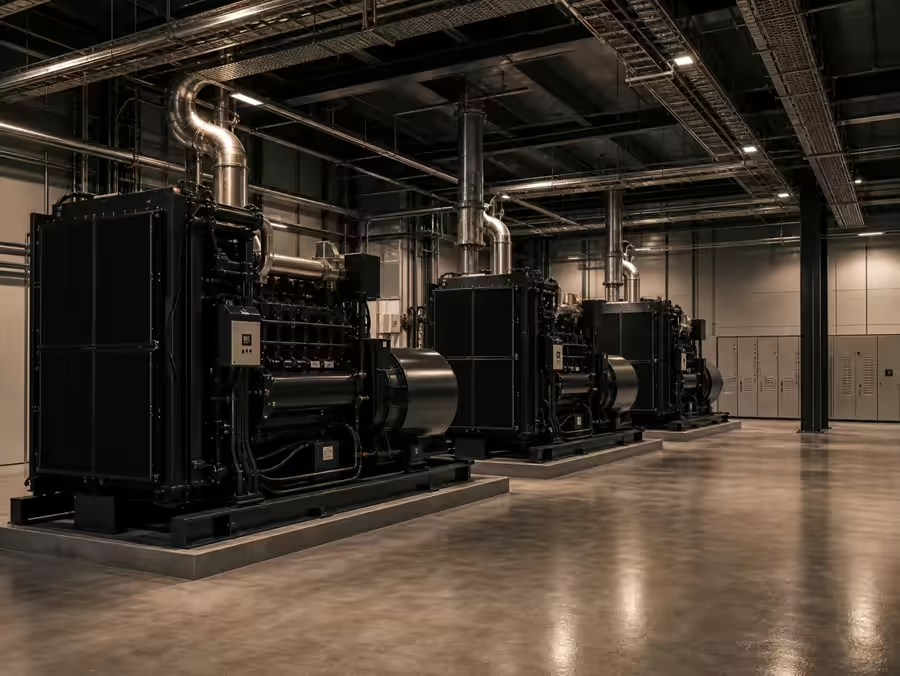
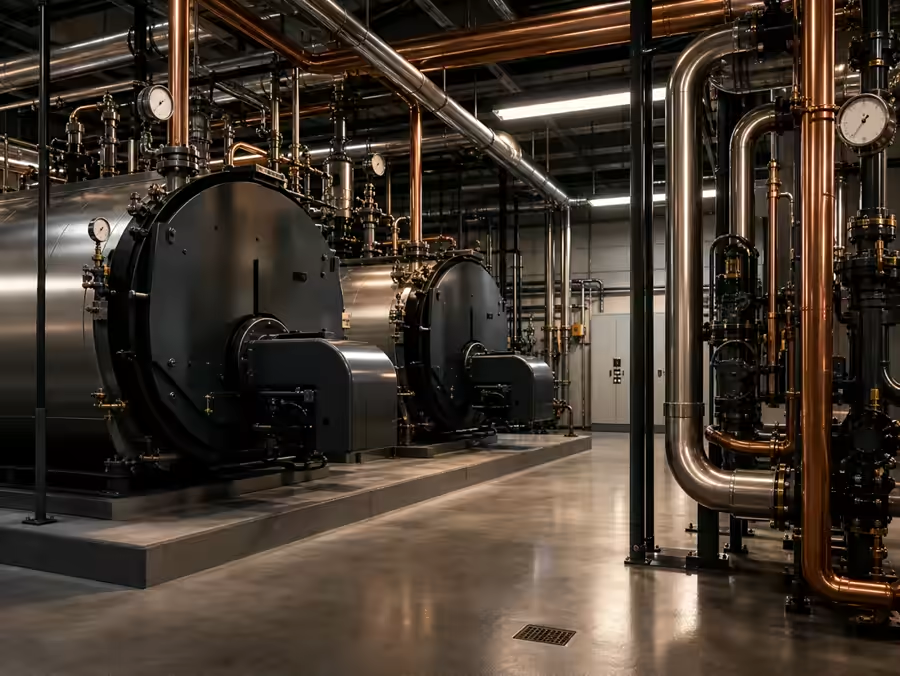

Continue on iPhone
Keep the calculator route in the NTROPYX app.
Start with a technical assessment, not a generic inquiry.
After product, proof and operating context, the next step is a structured brief: fuel type, monthly volume, engine family, country, sector and deployment target.
Commercial request route
Volume, fuel, sector, timeline.
Send one precise brief through the official contact page. NTROPYX routes the request to the correct Virgo commercial responsibility for scope, sector fit and indicative savings envelope.